
Tiny Home Insurance FAQ — Protect Your Investment
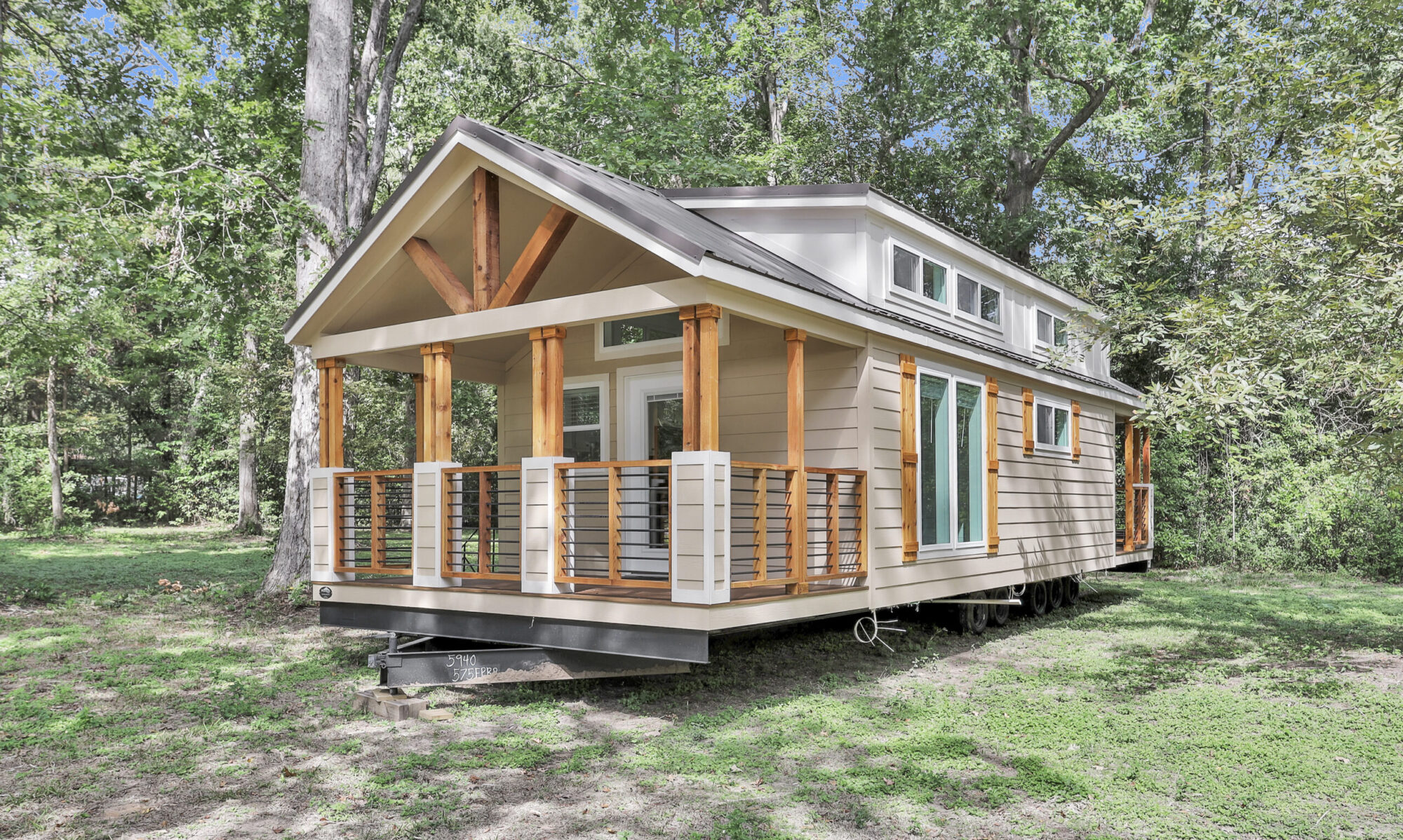
Whether you’re downsizing, building your dream tiny home, or purchasing a park model home, insurance is a crucial part of protecting your investment. Tiny homes often have unique requirements compared to traditional houses, so understanding your options is essential. Here are answers to the most frequently asked questions about tiny home insurance.
1. Do I need insurance for a tiny home?
Yes! Even though tiny homes are smaller than traditional houses, they are still a significant investment. Insurance protects your home, belongings, and liability, giving you peace of mind whether your tiny home is stationary, on wheels, or part of a land-home package.
2. How is tiny home insurance different from standard homeowners insurance?
Traditional homeowners insurance is designed for houses on permanent foundations. Tiny homes, especially those on wheels, may not qualify automatically. This means tiny homes often require specialized policies, such as mobile home, RV, or custom tiny home insurance. Stationary tiny homes built on foundations and meeting local building codes may be eligible for standard home insurance policies, but coverage may need adjustments to fit the smaller structure.
3. What coverage options are available for tiny homes?
Most tiny home insurance policies include:
- Dwelling Coverage: Protects the structure from fire, wind, hail, or other disasters.
- Personal Property Coverage: Covers belongings such as furniture, appliances, and electronics.
- Liability Insurance: Protects against injuries to visitors or property damage.
- Transit Coverage: Optional coverage for homes on wheels during transport.
- Additional Structures: Covers decks, sheds, or solar panels.
- Theft & Vandalism: Protection against stolen or damaged belongings.
- Additional Living Expenses: Helps cover temporary lodging if your home becomes uninhabitable.
4. What factors affect my tiny home insurance premium?
Premiums vary based on:
- Home Type: On wheels versus stationary.
- Location: Areas prone to storms, floods, or wildfires may have higher premiums.
- Construction: Certified homes may qualify for better rates.
- Coverage Level: Replacement cost versus actual cash value.
- Safety Features: Smoke detectors, fire extinguishers, and alarm systems can reduce premiums.
5. Can I insure a tiny home on land I don’t own?
Yes, but your coverage may differ. Some insurers require you to own the land or have a lease agreement. Land-and-home loan packages often combine property and dwelling coverage, making it easier to insure both together.
6. What insurance companies cover tiny homes?
Some of the top providers for tiny home insurance in the U.S. include:
- American Modern – Policies for mobile and stationary tiny homes.
- Foremost Insurance Group – Flexible coverage for certified homes.
- State Farm – Standard home coverage for foundation-built tiny homes.
- American Family Insurance – Customizable policies for homes on wheels or foundations.
- Progressive – Mobile/manufactured home policies for certain factory-built tiny homes.
- Strategic Insurance Agency – Policies for DIY or custom tiny homes without certification.
7. How can I lower my tiny home insurance cost?
- Bundle Policies: Combine with auto, RV, or other insurance.
- Work with an Independent Agent: Compare multiple insurers for the best fit.
- Document Your Home: Maintain records of construction, certifications, and inventory.
- Install Safety Features: Smoke detectors, fire extinguishers, and security systems.
- Choose Replacement Cost Coverage Wisely: Decide whether you want replacement cost versus actual cash value.
8. Is tiny home insurance available nationwide?
Yes! Many providers offer coverage across the United States, though premiums and options vary by state. Some insurers specialize in specific regions or require homes to meet state-specific building codes.
9. Do tiny homes on wheels require special insurance?
Yes. Homes on wheels are often treated like mobile homes or RVs, which means policies typically include transit coverage and protection for road hazards during transport. Certification from organizations like RVIA may make it easier to qualify for certain insurers or to obtain broader coverage.
10. How do I get started with tiny home insurance?
- Consult with a specialized agent – Discuss your home type, location, and coverage needs.
- Gather documentation – Include floor plans, certifications, and construction details.
- Compare policies – Look at dwelling, personal property, liability, and transit coverage.
- Select a provider – Ensure they offer coverage tailored to your tiny home lifestyle.
- Purchase your policy – Keep your policy documents and inventory for future reference.
Takeaway
Insuring your tiny home isn’t just about protecting the structure—it’s about safeguarding your lifestyle, belongings, and peace of mind. With the right policy, you can enjoy small home living knowing you have coverage that reflects the unique nature of your home, whether it’s stationary, mobile, or part of your everyday life.